
.jpg "رأس غاطس متقاطع مع برغي صغير للنظارات")
.jpg "تخصيص M0.6 ~ M1.0 المسمار الصغير الصغير للنظارات")
.jpg "برغي صغير مصغر M1.4 6 فص عالي الدقة للنظارات")
.jpg "برغي صغير الحجم من التيتانيوم عالي الشد لزجاج الساعة")
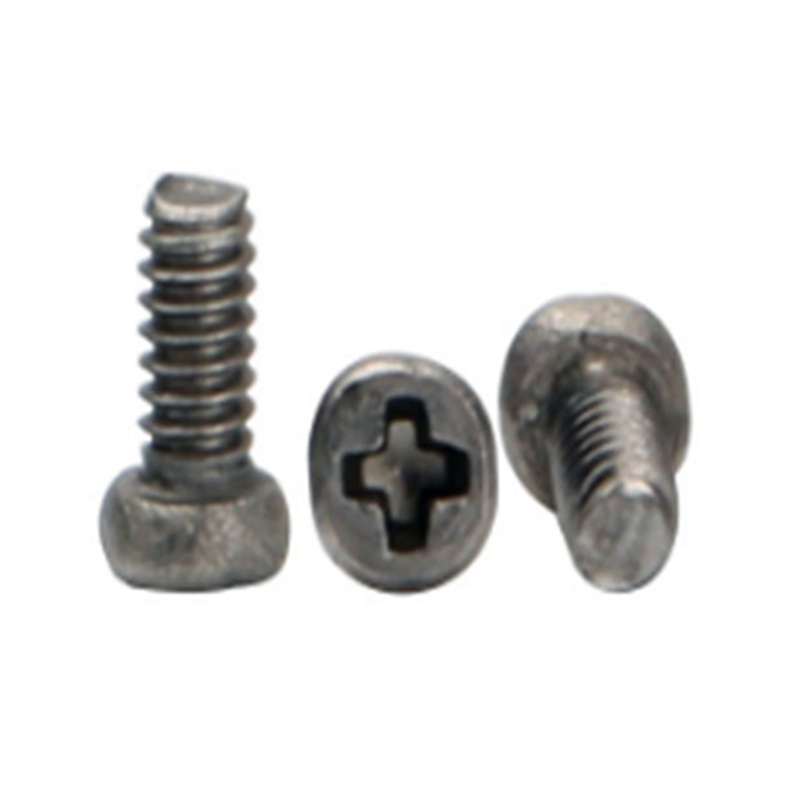
.jpg "برغي M1.4 صغير الحجم من التيتانيوم مقاس 1.5 مم للنظارات")
.jpg "برغي صغير للغاية برأس غاطس M1 مطلي بالنيكل للنظارات")
.jpg "OEM M1.6 ذهبي منخفض الرأس المسطح T5 T6 نظارات توركس برغي صغير")
.jpg "الفولاذ المقاوم للصدأ توركس غاطسة رئيس إلكترونيات المسمار الصغير")
تعد سرقة لوحة الترخيص إحدى تلك الجرائم الصغيرة التي تسبب قدرًا كبيرًا من المتاعب. يمكن أن تؤدي اللوحة المسروقة إلى فرض غرامات، وانتهاكات رسوم المرور، وحتى الاهتمام غير المرغوب فيه من جهات إنفاذ القانون، كل ذلك بس......
اقرأ المزيدSuzhou Anzhikou Hardware Technology Co., Ltd. هي شركة مصنعة تدمج تطوير وإنتاج وبيع البراغي الدقيقة. مسامير النظارات المصنعون و مسامير النظارات مصنع في الصين. تبلغ مساحة مصنع الشركة الحالي 2000 متر مربع، وقد استوردت على التوالي أكثر من 200 مجموعة من المعدات الدقيقة من تايوان واليابان، بما في ذلك مجموعة كاملة من معدات إنتاج أدوات التثبيت مثل التشكيل على البارد، وسلك الدرفلة، والتحكم الرقمي، ومكافحة الارتخاء، وما إلى ذلك، والتي يمكنها إنتاج براغي مصغرة بقطر خارجي 0.6 مم/طول 0.6 مم، وتصل الطاقة الإنتاجية السنوية للأجزاء القياسية والبراغي غير القياسية إلى 2000 متر مربع.
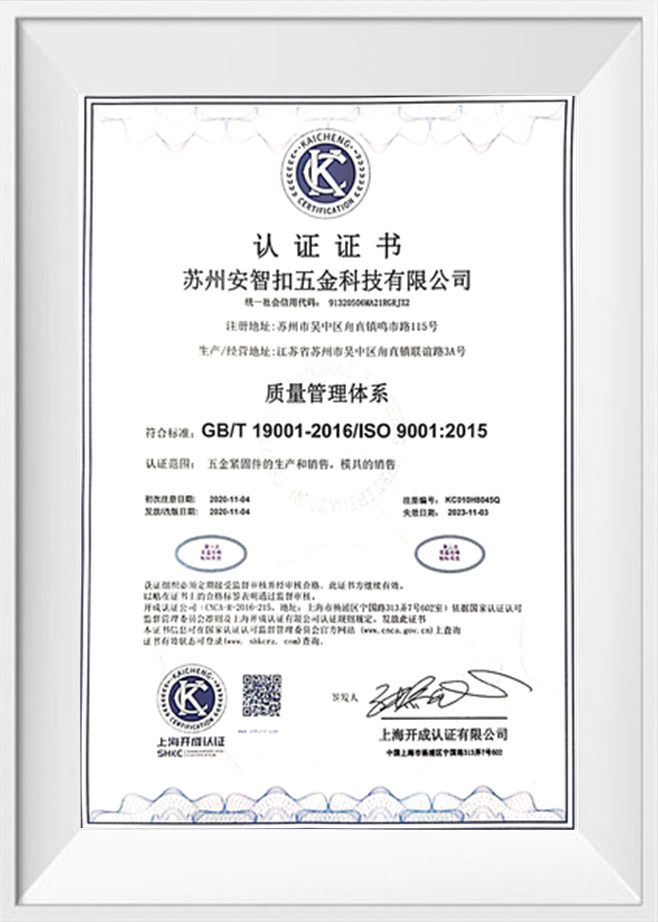
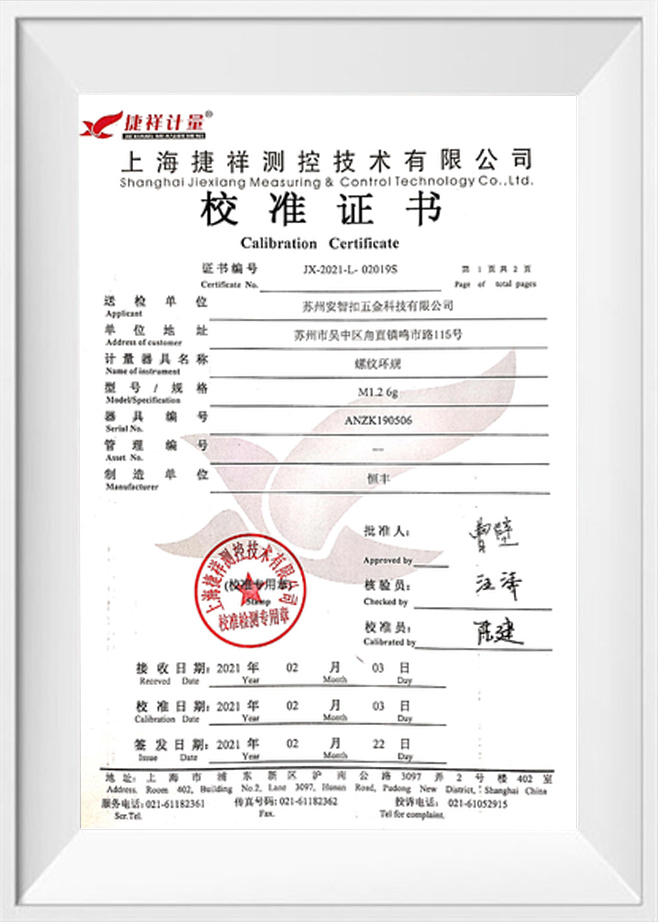
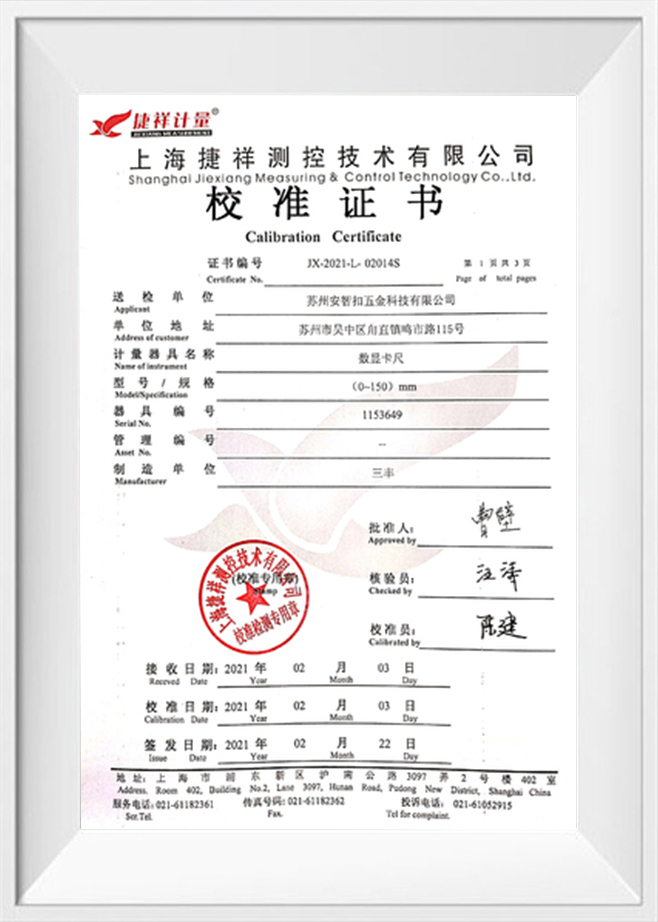
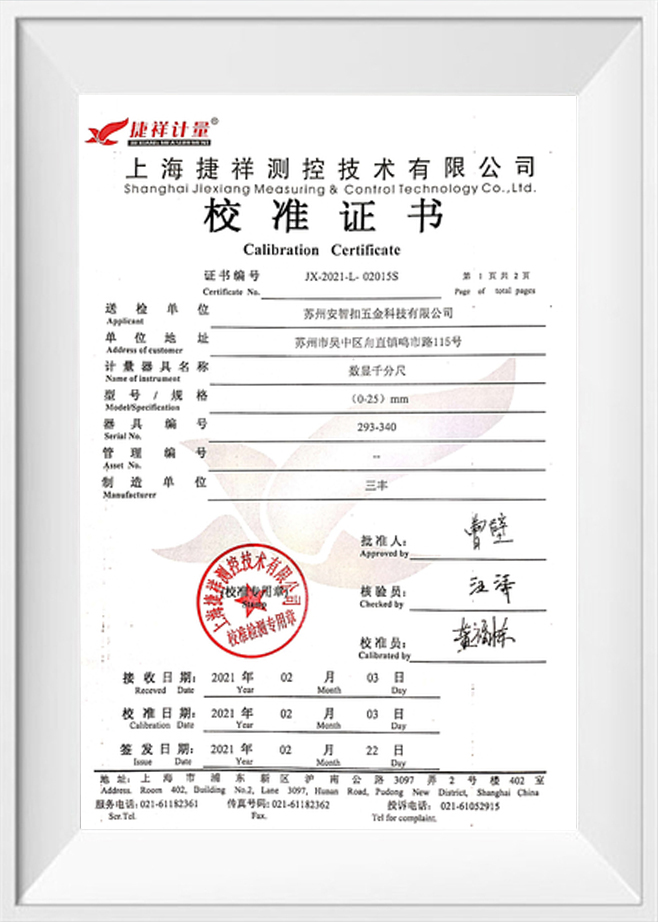
تمتلك شركة Anzhikou للأجهزة مجموعة كاملة من معدات الاختبار وحصلت على شهادة نظام الجودة ISO9001:2015، مع 20 عامًا من الخبرة في الإنتاج والتطوير الصناعي، و10 من الموظفين الفنيين والهندسيين ذوي الخبرة الصناعية لمدة 20 عامًا، وتقوم بتخصيص مجموعة متنوعة من البراغي غير القياسية وفقًا لاحتياجات العملاء، بالجملة مسامير النظارات، لتلبية متطلبات الجودة والكمية المختلفة للعملاء. تتميز براغي Suzhou Anzhikou الدقيقة بجودة منتج ممتازة، ويتم تصديرها إلى 40 دولة ومنطقة حول العالم.

تعد سرقة لوحة الترخيص إحدى تلك الجرائم الصغيرة التي تسبب قدرًا كبيرًا من المتاعب. يمكن أن تؤدي اللوحة المسروقة إلى فرض غرامات، وانتهاكات رسوم المرور، وحتى الاهتمام غير المرغوب فيه من جهات إنفاذ القانون، كل ذلك بس......
اقرأ المزيدتعتبر مسامير التثبيت المتأخرة واحدة من فئات التثبيت التي تبدو بسيطة حتى يتطلب المشروع قوة إمساك حقيقية. يتم استخدامها على نطاق واسع لتأمين الأقواس والسور والأرفف والمعدات بالخرسانة أو الطوب أو البلوك، ومع ذلك فإن ا......
اقرأ المزيديبدو المسمار المضاد للسرقة وكأنه أداة تثبيت عادية حتى اللحظة التي يحاول فيها شخص ما إخراجه. يكمن الاختلاف في تجويف محرك الأقراص: فبدلاً من صليب فيليبس أو مقبس سداسي عادي، يحمل الرأس شكلًا لا تناسبه أي أداة يومية. إ......
اقرأ المزيدأنت تقوم بتغيير ذراع التحكم في التعليق، أو بناء إطار مقطورة، أو شد شفة على خط معالجة، والمسامير 3/4-10 تنتظر مواصفات عزم الدوران. الإجابة الأكثر مباشرة هي أنه يمكن عزم الترباس 3/4-10 إلى حوالي 150 إلى 400 رطل قدم ا......
اقرأ المزيدIndustry Knowledge
Glasses screws are commonly manufactured from stainless steel, titanium, or specialized alloys to ensure long-term durability, corrosion resistance, and light weight. Precision control over material composition is essential, especially for screws with diameters as small as 0.6mm, to prevent deformation and ensure consistent performance during repeated adjustments.
The mechanical properties must balance strength with flexibility, preventing frame distortion while securing lenses and temple hinges effectively.
Micro-threading techniques are vital for eyeglass screws, where precision threads provide secure fastening without loosening under small vibrations or repeated wear. CNC machining and thread rolling are employed to produce uniform threads for optimal fit and torque control.
Glasses screws often undergo passivation, polishing, or plating to enhance corrosion resistance and reduce friction during assembly. These treatments are critical for frames exposed to sweat, humidity, and frequent handling.
High-quality surface finishing preserves the visual appeal of visible screws and prevents micro-wear that could affect long-term stability of lenses and hinges.
| Property | Stainless Steel | Titanium | Special Alloy |
|---|---|---|---|
| Weight | Moderate | Light | Varies |
| Corrosion Resistance | High | Excellent | Very High |
| Strength | Good | High | Moderate to High |
| Finish Options | Polished, Passivated | Anodized, Polished | Custom Coatings |
Glasses screws secure frame temples, nose pads, and lens rims. The precision of screws is crucial to maintaining proper alignment and function, ensuring user comfort and frame integrity.
Using high-precision screws with consistent threading and surface treatment allows for reliable assembly, easier repairs, and longer product lifespan, particularly in high-end or frequently adjusted frames.

تفاصيل الاتصال

العنوان:لا. 248-2 طريق تشانغهونغبي، مدينة لوزي، منطقة وو تشونغ، مدينة سوتشو، مقاطعة جيانغسو، الصين.
الهاتف:+86-13913588597
المنتجات
الطرف المحمول



